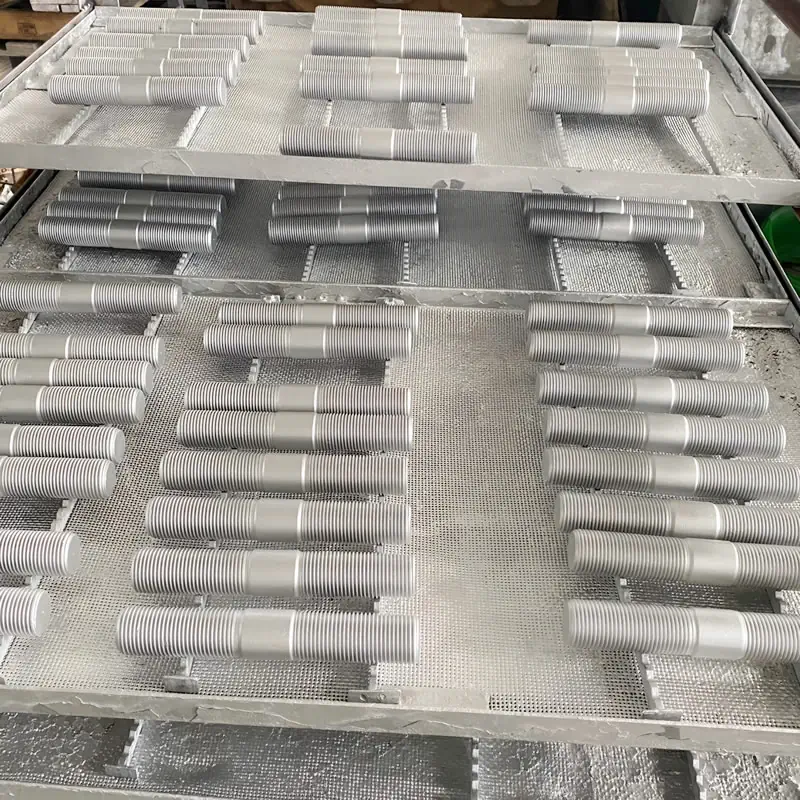
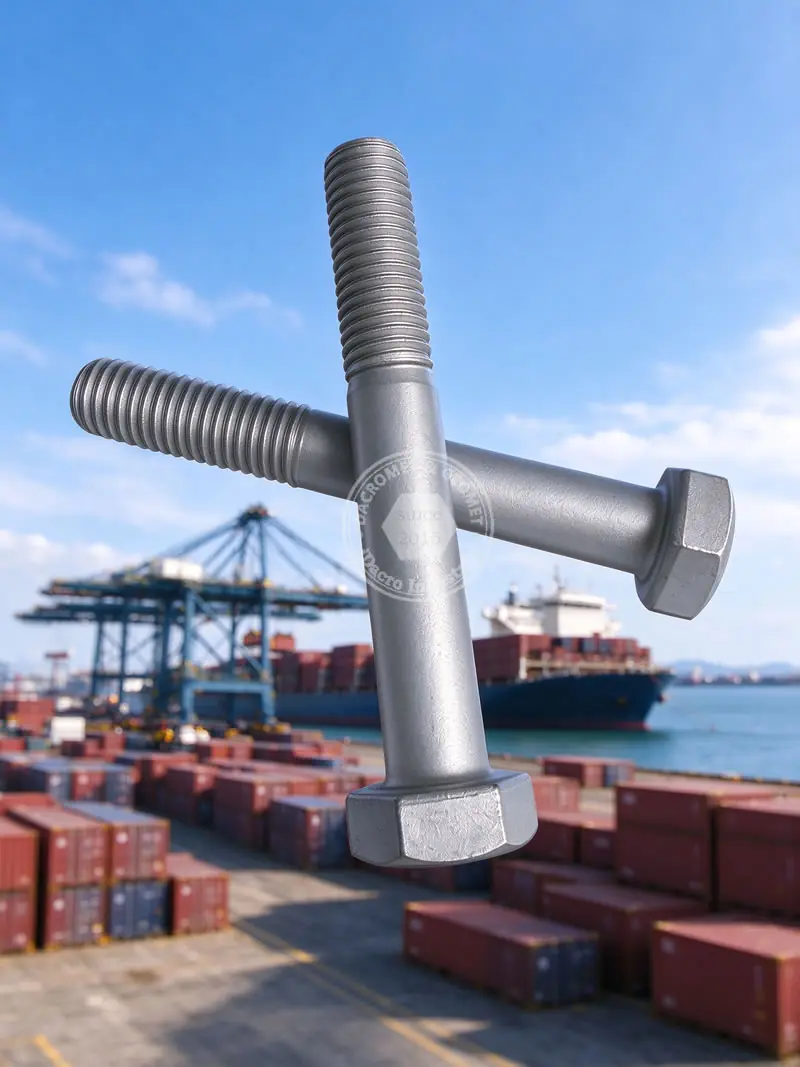
For professional Dacromet services, choose Huagang Dacromet. We supply a full range of Dacromet-coated fasteners, including screws, bolts, and nuts with consistent quality, certified to EU and US standards.
In industrial anti-corrosion, innovations in rust-prevention technology have consistently driven advances in material science. Since the turn of the 21st century, Dacromet, a distinctive surface treatment technology, has been rapidly replacing conventional galvanizing processes and emerging as a preferred solution for metal corrosion protection. Originally developed by Diamond Shamrock of the United States in the 1970s, this technology has triggered a global revolution in anti-corrosion engineering, thanks to its eco-friendly attributes, outstanding corrosion resistance, and versatile applicability.
The core of Dacromet lies in its proprietary treatment process. Unlike conventional electro-galvanizing, Dacromet coating is applied by dipping or spraying a mixture of zinc flakes, aluminum flakes, chromate compounds, and specialized binders onto metal substrates. The coated parts are then cured at approximately 300°C to form a multi-layer composite film. While the coating thickness normally ranges from 6 μm to 12 μm, its anti-rust performance is 5 to 20 times superior to galvanization. Salt spray testing demonstrates that Dacromet-finished components can withstand 480–1000 hours without rust formation. This remarkable performance stems from three protective mechanisms of the coating: sacrificial anode protection offered by zinc-aluminum flakes, passivation from chromate, and the physical barrier effect of the inorganic film.
Superior environmental performance sets Dacromet apart. Traditional galvanizing generates wastewater loaded with zinc and chromium, which poses severe environmental risks if not properly treated. Dacromet involves no electroplating steps and produces nearly zero wastewater, with hexavalent chromium levels far below those of electro-galvanized coatings. As global environmental regulations grow increasingly stringent, directives such as EU RoHS push manufacturers to adopt cleaner surface treatment alternatives, creating favorable conditions for the widespread adoption of Dacromet. Data from an automotive component manufacturer shows that switching to Dacromet cut its wastewater treatment costs for surface finishing by 85% and reduced hazardous waste output by 90%.
Dacromet has been widely adopted across critical industrial sectors. The automotive industry constitutes its largest market, with Dacromet-finished parts used extensively on engine bolts, chassis components, and exhaust systems. Statistics from the Japan Automobile Manufacturers Association indicate that Dacromet fasteners extend the vehicle anti-corrosion warranty period up to 10 years. In high-speed rail projects, Dacromet fasteners resist salt-laden coastal air. After CRRC fully deployed Dacromet technology on Fuxing EMUs, the failure rate of fasteners dropped by 76%. The wind power sector also benefits greatly: Dacromet-coated tower bolts for offshore wind turbines see their service life extended from 5 years to 20 years in harsh marine environments. Dacromet is also gaining rapid adoption for power transmission towers, telecommunication base stations, and military equipment.
Looking ahead, Dacromet is poised for robust growth amid global decarbonization initiatives and high-quality manufacturing development. The demand for lightweight, long-lasting anti-corrosion solutions in new energy vehicles, aerospace, and marine engineering aligns perfectly with the strengths of Dacromet. Industry consensus holds that Dacromet will not only replace most galvanization applications over the next decade but also unlock brand-new market opportunities. As a senior industry expert commented: “Dacromet is more than a simple substitute for galvanizing. It represents the broader shift of surface treatment toward high-performance and green solutions, and this transformation has only just begun.”